
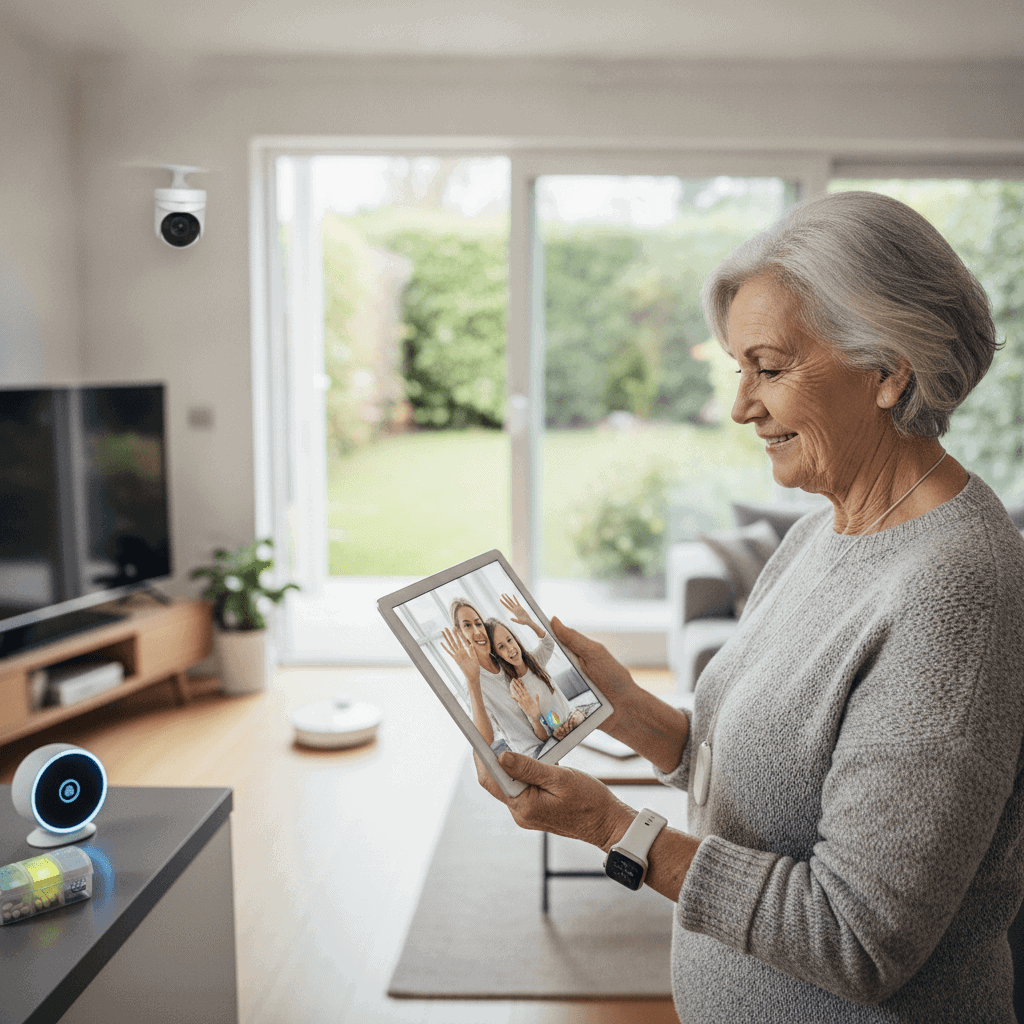
I often think about how our parents and grandparents navigated their senior years without the smart tools we have today. Keeping our older loved ones safe and independent is a big concern for many families. It is something I have seen firsthand in my own life and with friends.
Modern technology offers many practical solutions. It lets seniors live in their homes longer with confidence. These tools also give families peace of mind. We are moving past the days of simple alert buttons to a world of interconnected systems that actively protect and support.
This shift helps seniors stay active and engaged in their communities. It helps them maintain their dignity and preferred lifestyle. Understanding these technologies is the first step in creating a safer environment for them.
Understanding the Need for Senior Safety Technology
As we age, some everyday tasks can become challenging. Simple actions like getting out of bed or walking through the house can carry risks. Falls are a major concern for seniors because they can lead to serious injuries and a loss of independence. I know many families who worry about these kinds of incidents when their loved ones are alone.
Living independently is something most seniors value deeply. They want to remain in their own homes, surrounded by familiar comforts. This desire clashes sometimes with the natural decline in physical abilities or cognitive function. Technology steps in to bridge this gap, offering solutions that maintain freedom while adding crucial layers of protection.
It is not just about physical safety. Social isolation can also impact seniors’ well-being. Modern tools can help maintain connections with family and friends. This helps their mental and emotional health too. My experience shows that keeping seniors connected and supported helps them thrive.
Personal Emergency Response Systems (PERS) for Immediate Help
Personal Emergency Response Systems, or PERS, are perhaps the most recognized form of senior safety tech. These systems provide immediate access to help with the press of a button. They are especially useful in unexpected situations like a fall or sudden illness. The basic idea is simple, but the impact is profound.
Most PERS devices are lightweight and easy to wear. Seniors can choose between necklaces or wristbands. When an emergency happens, pressing the button connects them to a monitoring center. Trained operators can then assess the situation and dispatch appropriate help, whether it is a family member or emergency services. This quick response can make a critical difference in outcomes.
Wearable Devices and Fall Detection
The evolution of PERS includes advanced wearable devices with automatic fall detection. These gadgets use sensors to identify when a person falls. They trigger an alert even if the wearer cannot press a button. This feature is a game-changer for seniors who might be unconscious or unable to reach their device after a fall.
I have seen how effective these automatic systems can be. They provide a layer of security that traditional alert buttons cannot match. Some advanced models even offer GPS tracking. This means help can find a senior who falls outside their home. This technology allows seniors more freedom to go about their daily lives without constant worry. It is a powerful tool for maintaining independence and peace of mind for everyone involved.
Smart Home Devices that Protect and Assist
Our homes are becoming smarter, and this offers new ways to enhance senior safety. Smart home devices can automate tasks and monitor environments. This creates a safer and more responsive living space. I often recommend these integrated systems to families looking for comprehensive solutions.
Automated lighting, for example, can prevent falls by ensuring hallways and bathrooms are always lit. Smart locks offer security and convenience, allowing family members to grant access remotely if needed. These small changes can make a big difference in daily living. They reduce common hazards and simplify routines for seniors.
Environmental Monitoring for a Safer Home
Environmental sensors offer another layer of protection. These devices can detect potential hazards that might go unnoticed. Smoke detectors that send alerts to family phones are a good example. Carbon monoxide detectors provide crucial warnings too. There are also water leak detectors that can prevent costly damage and slippery floors.
Voice-activated assistants, like smart speakers, also assist seniors in many ways. They can set medication reminders or call family members. These devices offer hands-free control of lights or thermostats. This helps reduce physical strain. I believe these types of smart home innovations are vital for truly enhancing safety for seniors. They work together to create a supportive environment.
Remote Monitoring and Communication Tools
Staying connected is important for seniors, and technology makes this easier than ever. Remote monitoring tools allow families to keep an eye on their loved ones discreetly. They also respect their privacy. I have heard many stories of how these tools offer peace of mind without being intrusive.
Video doorbells are one such tool. They allow seniors to see and speak with visitors without opening the door. This helps protect against scams and unwanted guests. Remote cameras can also be placed in common areas to check in on a senior’s well-being. These are not meant for constant surveillance. They are for occasional checks or during times of concern.
Bridging Distances with Communication Technology
Beyond safety, technology helps fight loneliness and isolation. Video calling platforms allow seniors to connect face-to-face with family and friends. This is especially helpful for those who live far away. Digital photo frames that automatically update with new pictures keep family memories close. This helps maintain a sense of connection.
Apps for medication reminders and health tracking also provide valuable support. They ensure seniors take their medicines on time. They help track important health metrics. These tools empower seniors to manage their health more effectively. They give families valuable insights. We can see how technology really does help enhance safety for seniors in many ways, both direct and indirect. In fact, a recent article in Global Healthcare Magazine highlighted several key advancements in this area, underscoring the growing importance of tech solutions for older adults.
Navigating and Personalizing Technology for Seniors
Choosing the right technology for seniors requires careful thought. What works for one person may not work for another. I always advise families to consider their loved one’s specific needs and preferences. Ease of use is a top priority. The technology should simplify life, not complicate it. A device with a confusing interface will likely go unused.
I also stress the importance of personalization. Some seniors might benefit most from fall detection. Others might need smart medication dispensers. We should choose systems that can grow and adapt as needs change. This means looking for flexible and scalable solutions. It is about empowering them with tools they can comfortably integrate into their daily routines.
Once selected, setting up the technology should be a smooth process. Clear instructions and patient guidance are essential. Many companies now offer professional installation and training. This can be a huge help for families. Ongoing support is also important. Knowing there is someone to call for help with glitches or questions makes a big difference.
The Future of Senior Safety Innovations
The field of senior safety technology continues to grow and innovate at a fast pace. We are seeing incredible advancements that promise even greater independence and protection for older adults. I am excited about the possibilities these new developments bring.
Artificial intelligence and machine learning play a growing role. They enable devices to learn routines and detect subtle changes. For example, AI-powered sensors can identify unusual patterns in movement or sleep. This could signal a potential health issue before it becomes an emergency. These systems learn what is normal for an individual. They then alert caregivers to deviations. This offers proactive care rather than just reactive response.
Another exciting area is the integration of health monitoring with emergency services. Imagine a wearable device that not only detects a fall but also transmits vital signs to paramedics. Telehealth services are also becoming more sophisticated. They allow seniors to have virtual doctor visits from the comfort of their home. This reduces the need for travel. These innovations will further enhance how technology enhances safety for seniors. They will create a truly connected and supportive ecosystem for older adults.
Ensuring a Safer Future for Our Seniors
I believe that technology offers powerful ways to keep seniors safe, independent, and connected. We have explored many tools. These include personal emergency response systems and smart home devices. We also looked at remote monitoring and communication tools. Each plays a role in building a supportive environment for our older loved ones.
These innovations address critical concerns like falls and isolation. They empower seniors to live life on their own terms for longer. The key is to choose the right solutions for individual needs. It is also important to ensure proper setup and ongoing support. The future promises even more integrated and intelligent systems. These will further improve the quality of life for older adults.
I encourage you to explore these options for your family. Start discussions with your senior loved ones about how technology can support their independence. Research different products and services. Talk to healthcare professionals and reputable providers. Taking these steps today can lead to greater peace of mind and enhanced safety for years to come. It is an investment in their well-being and your family’s tranquility.